My mother has written all her life. So have I. Only now, as we make journals together, do I realise how much of it was a prelude to what we are creating today.
Among my mother’s journals is one from 1979. It is hard to describe what it feels like to read her thoughts, wishes and plans decades later, in handwriting I know so well. What a privilege to get to know my mother from a time in her life before I existed.
Perhaps that is why I value my own old journals so much. Being able to open a page from a year or two ago and know exactly what was happening in my life, what I was thinking, wanting and hoping for. To see what I have achieved, how I have changed and what I still want to change. We forget so much while living. Even how much we once wanted what is now our everyday life.
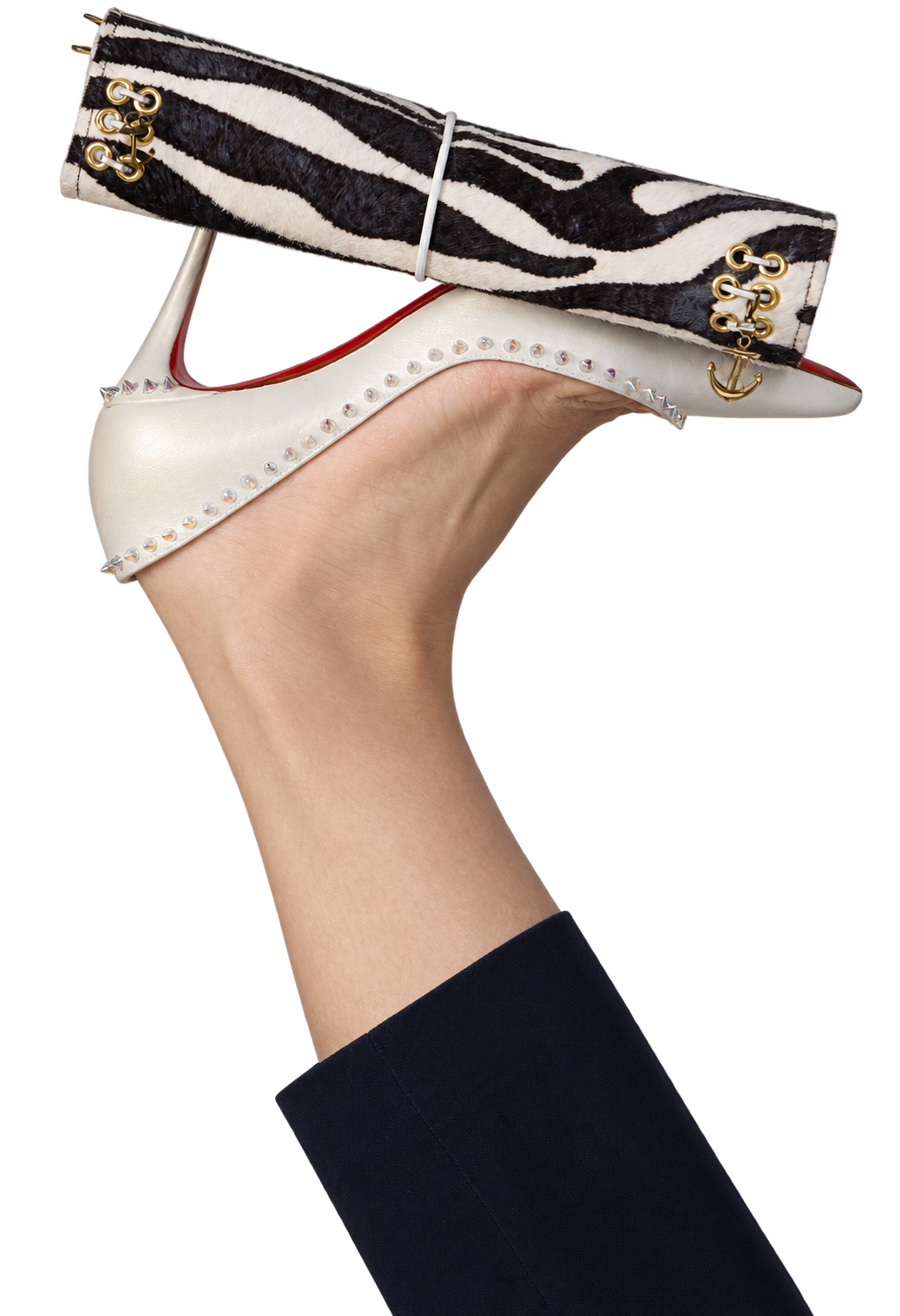
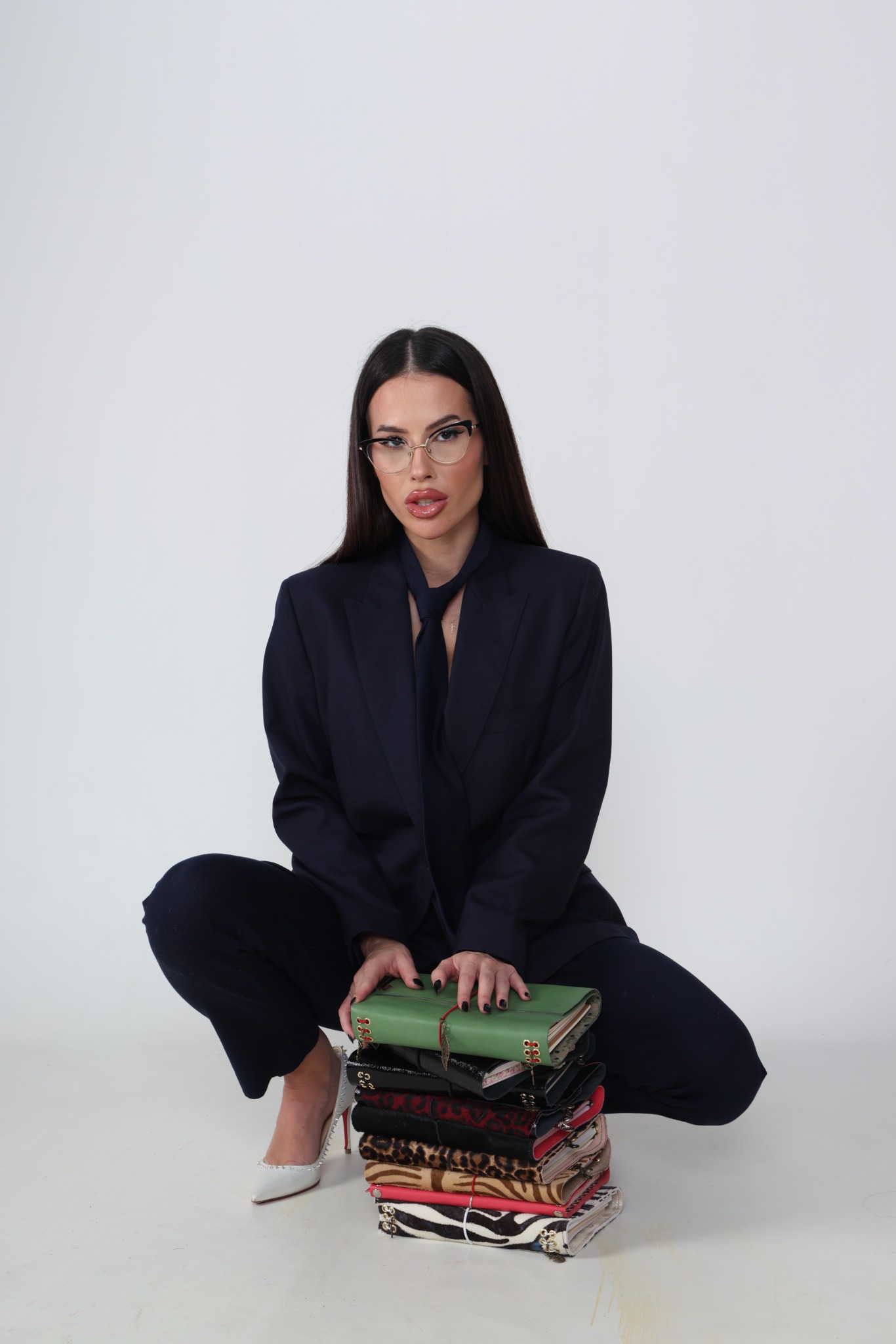
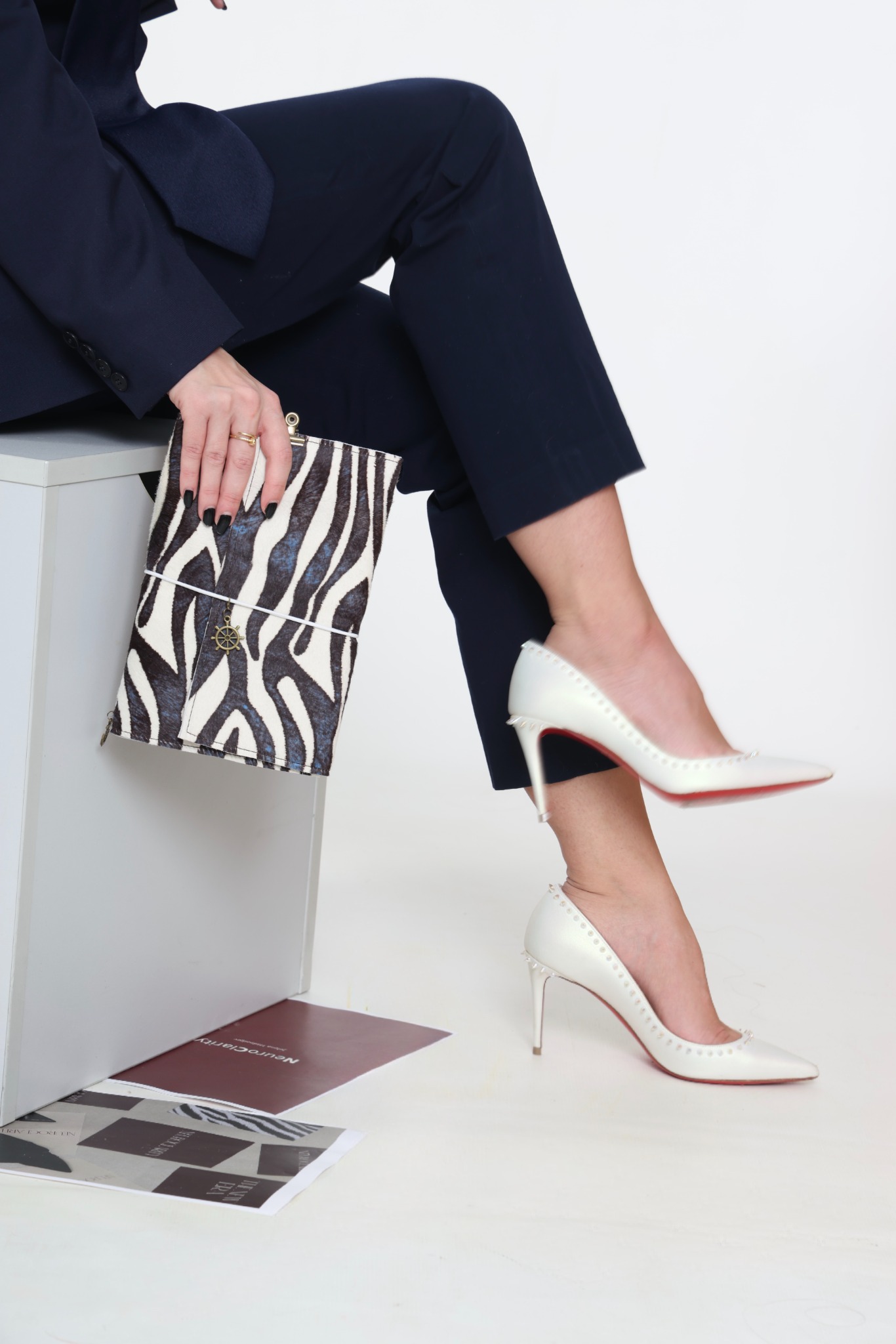
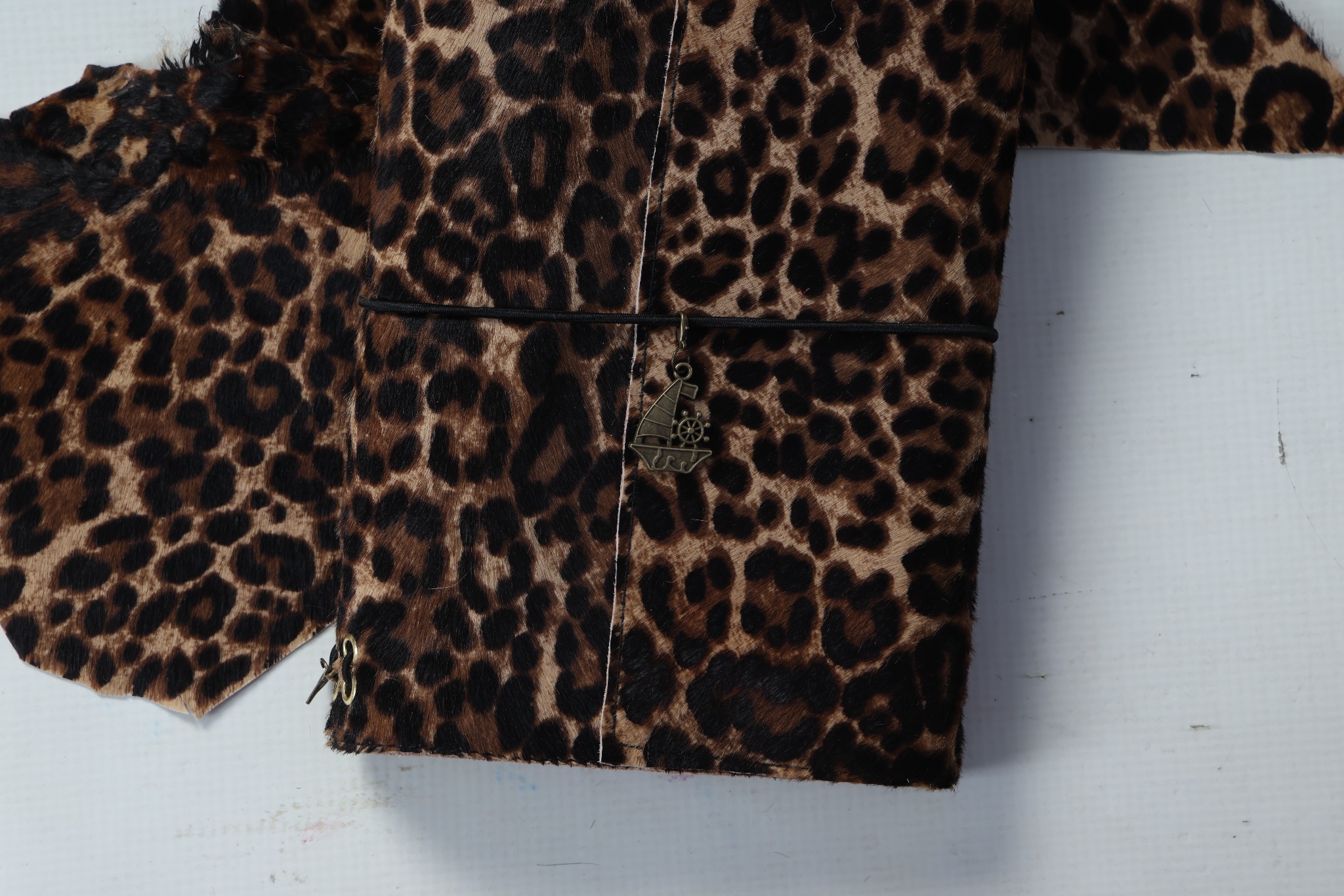
When I think of all the years we have both spent writing, it means so much that we now make journals together. We make every journal by hand from genuine leather, with care, time and love for our work. That is why the collection is limited, and why its value to me goes far beyond the object itself. We can now share something that has been part of our everyday lives all along.
My love of aesthetics, given a scientific dimension through studying neuroaesthetics, naturally found a place in this collection. How a journal looks, how the leather feels under your fingers and the experience of opening it all matter to me. I wanted us to make objects you would enjoy returning to, and which would gain personal value over time.
Through this collection, I want to bring the art of writing back into our lives. To enjoy the beauty of handwriting, time devoted to ourselves and the possibility of preserving life as we actually experienced it.
I would love you to feel, one day as you turn the pages of your journals, what I feel reading mine or my mother’s. To be proud of what you achieved, smile at some of your old worries and thank yourself for writing it all down.
And perhaps one day someone you love will get to know you through your handwriting, just as I get to know my mother through her journals.
To me, that is priceless.
The science behind handwriting
Why write?
My love of writing gained a new dimension when I began to study what happens in the brain during this activity.
Handwriting and the brain
Handwriting requires coordination of visual, sensory, motor and cognitive processes. Electroencephalography (EEG) research shows that handwriting, compared with typing, involves broader patterns of functional connectivity between brain regions relevant to learning and memory.
The slower pace of handwriting also gives us an opportunity to process information more carefully, identify what matters and organise our thoughts.
Emotions and cognitive clarity
Putting thoughts and emotions into words can help us view them with some distance. What previously felt unclear, chaotic or hard to understand takes a more concrete form.
Research on expressive writing suggests potential benefits for emotional processing, stress regulation and psychological wellbeing. Writing also gives us an opportunity to recognise recurring thought patterns, question our beliefs and develop alternative perspectives.
Attention and gratitude
What we regularly pay attention to influences how we experience life. Systematically recording gratitude encourages us to notice positive experiences, including those we might otherwise overlook or take for granted.
Research links gratitude practice with greater subjective wellbeing, positive affect and, in some studies, better sleep quality.
Gratitude and ambition are equally important to me. We can appreciate the life we have today and still want to create much more.
Intentions, goals and action
Writing down goals helps us turn vague wishes into more clearly defined intentions. Research on implementation intentions shows that specifying when, where and how we will act increases the likelihood of carrying out the intended behaviour.
Writing can help us define priorities, plan concrete steps, track progress and collect evidence of our abilities.
Identity and personal continuity
A journal allows us to observe our development over time. Our decisions, experiences, beliefs, changes and achievements become visible in ways memory alone often cannot provide.
I see this as one of writing’s greatest values. We can better understand who we were, approach who we are today more consciously and define who we want to become more clearly.
I want to bring writing back into everyday life because today, more than ever, we understand how much it can offer.
From preserving memories to consciously shaping the future.